


Overview of Seniors Home Care Services: 2025 Guide
- M. Felfeli

- Nov 8, 2025
- 17 min read
Discover how compassionate home care is transforming senior living in 2025—offering safety, independence, and peace of mind for both families and their loved ones. These key insights reveal what’s essential to know and implement when seeking or providing quality seniors home care services.
Compassionate, patient-centered care is the heartbeat of top agencies, ensuring every senior receives personalized support with dignity and respect at home.
Comprehensive home care services include skilled nursing, daily living assistance, companionship, and tech-enabled safety measures—empowering seniors to thrive independently.
Personalized care plans adapt to evolving medical, emotional, and lifestyle needs, anchoring independence while maintaining close family involvement and open communication.
Innovative technologies like remote monitoring, telehealth, and smart devices deliver real-time health updates and enhance both well-being and peace of mind for families.
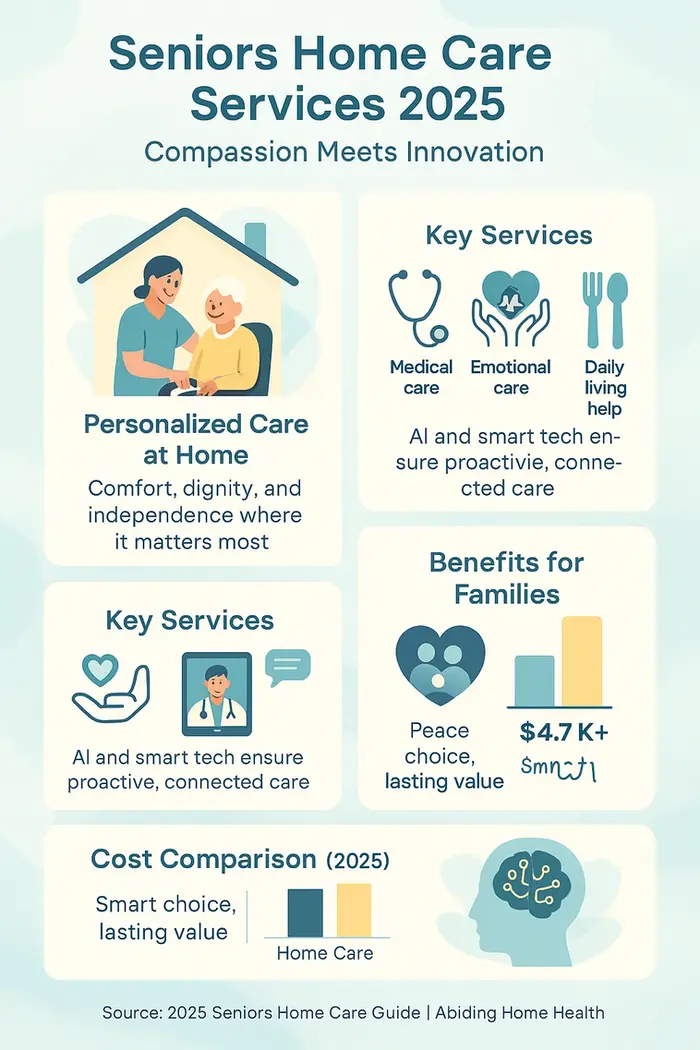
Home care reduces costs and hospitalizations—averaging $4,800/month versus $7,700+ for assisted living—with studies showing up to 25% fewer readmissions thanks to regular in-home support.
Caregiver quality and training matter: Agencies invest in ongoing staff education, compassionate team support, and hands-on expertise to uphold integrity and reliability.
Safe, accessible environments are non-negotiable—professional assessments and modifications (grab bars, smart alarms) directly support senior confidence and safety.
Family collaboration is central—from planning and advocacy to daily communication—maximizing both seniors’ well-being and caregivers’ peace of mind.
Engage with the full guide for compassionate strategies, emerging trends, and practical resources to support your loved one’s independence and joy at home.
Introduction
Imagine waking up in your own home, greeted not by the sterile sound of hospital carts, but by the gentle voice of a caregiver who knows how you like your coffee—and the comfort of familiar walls that echo with family memories. For nearly
70% of Americans over 65
, some level of daily support has become a necessity, yet few are ready to leave the place they love most. Home care isn’t just a service; it’s the promise of
independence, dignity, and emotional well-being
, delivered right where it matters most—at home.
Choosing compassionate home care is one of the most important decisions families in Laguna Hills and Oklahoma face today.
What does truly excellent support look like?
How can you ensure your loved one lives not only safely, but joyfully, in the place they cherish?
This guide gives you the insights and reassurance you need—whether you’re seeking care for a parent, a spouse, or looking ahead for yourself.
You’ll discover:
The core values—like compassion, integrity, and excellence—that set exceptional agencies apart
The essential services and benefits making home care safer, more empowering, and cost-effective
How innovative trends and new technologies are shaping what’s possible for seniors in 2025
What families should look for in a provider, and how your involvement creates success every step of the way
Each section is crafted to help you feel confident, informed, and hopeful—no heavy medical jargon, just practical answers and warm, professional guidance. Because at the heart of every great home care story is a simple truth:
everyone deserves safety, companionship, and comfort in the place they call home.
So, as you consider what’s next for you or your loved ones, let’s explore the compassionate foundations behind seniors home care and discover the standards that truly make a difference.
Understanding Seniors Home Care: Foundations and Core Values
Seniors home care means providing
personalized support and medical services right where it matters most—at home
. This approach keeps seniors in a comfortable, familiar environment, helping them maintain
independence, dignity, and daily routines
. Agencies like Abiding Home Health are built on a
compassionate, professional model
, delivering care that meets physical, emotional, and social needs all at once.
Picture this: A gentle caregiver helps a senior with morning routines, followed by joyful conversation over breakfast in their own kitchen, the scent of freshly brewed coffee filling the air. That’s home care in action.
Why Quality Home Care Starts with Core Values
At the foundation of every reputable home care agency are values you should see and feel every day:
Compassion: Every service is delivered with sensitivity, empathy, and understanding
Integrity: Trust and reliability are the guideposts for every interaction
Excellence: Agencies commit to the highest standards—no shortcuts
Trust: Family peace of mind stems from dependable, caring staff
“Compassion isn’t a feature—it’s the heart of great care.”
“Home care means real trust: families know their loved one is dignified, safe, and respected.”
Seniors Home Care: Evolving with Demographics and Society
Home care has transformed alongside our growing senior population.
Nearly 70% of Americans 65+ will need some form of support—a number driving new models for at-home wellness, technology adoption, and comprehensive services
Agencies now offer everything from medication management to 24/7 remote monitoring, blending professional expertise with genuine human connection
Visualize caregivers adapting care for different personalities and health needs—physical therapy for one client, friendly chess matches with another. Personalized support is the new norm.
Who Benefits from Seniors Home Care?
Seniors with medical needs (recovering from illness, living with chronic conditions)
Those who wish to preserve independence but need help with daily activities
Families wanting assurance their relatives are safe and emotionally supported
The broader community enjoys fewer hospital stays, more engaged older adults, and stronger local connections
Seniors home care in 2025 is more than a service—it’s a promise:
personalized excellence, anchored in compassion, that supports independence for every person—right at home
.

Key Services Offered in Seniors Home Care
Skilled Nursing and Therapy
Quality home care starts with
professional medical attention
delivered right at the doorstep.
Skilled nursing services in Laguna Hills and across the U.S. cover:
Wound care and post-surgery recovery
Management of chronic conditions like diabetes, COPD, and heart disease
Medication administration and education for safe use
Vital signs monitoring for ongoing peace of mind
Picture this: A registered nurse visits your parent’s home after surgery, checking dressings, managing pain, and answering family questions—turning a stressful situation into a reassuring one.
Therapies
are equally vital. Licensed therapists help seniors:
Regain mobility with physical therapy exercises
Boost confidence in daily activities through occupational therapy
Rebuild communication skills with speech therapy after a stroke
Clients typically qualify for skilled services based on medical need as determined by a physician. Only RNs, LPNs, and credentialed therapists deliver these specialized supports.
"Bringing hospital-grade care home means healing happens in comfort, not chaos."
Daily Living Assistance (ADLs and IADLs)
Daily living support ensures seniors preserve
independence and dignity
every single day.
These personal care tasks include:
Bathing, dressing, grooming
Toileting and safe assistance with transfers
Feeding and hydration support
Instrumental activities that foster autonomy include:
Meal preparation and nutritional reminders
Light housekeeping and laundry
Help with bills and medication organization
A professional caregiver, warm smile, and timely reminder—sometimes that’s all it takes to keep a loved one comfortable and at home.
"Even small gestures—preparing lunch, tidying up—protect independence and pride."
Companionship and Emotional Support
Social connection is as critical as medication for well-being.
Home care teams focus on:
Meaningful conversation and shared interests
Escorting to special events or appointments
Regular engagement to prevent isolation
Imagine a caregiver helping your mother plant flowers in the yard, or sharing coffee over a favorite photo album—moments like these make a house feel like home.
"Kindness, connection, and company: the true pillars of emotional wellness."
Transportation, Errands, and Community Access
Reliable
transportation services
are more than convenience—they’re a gateway to independence.
Services include:
Accompaniment to doctor appointments, church, or social clubs
Personal shopping and banking errands
Rides to family gatherings or community events
Staying active in the community is linked to
better health and longer independence
.
Home Safety and Environmental Support
A safe, welcoming home is essential for seniors’ health.
Home care includes:
Home safety assessments led by trained professionals
Modifications like grab bars, better lighting, ramps
Smart safety tools: fall detection systems, wearable alarms
For 2025, many agencies offer
tech-enabled safety
with real-time alerts for families, reducing hospitalizations by up to 30%.
"Smart homes are becoming safe homes, putting family minds at ease."
These core services—
medical expertise, daily support, social warmth, practical help, and modern safety
—empower seniors in Laguna Hills and beyond to live fully, safely, and with dignity. For families, knowing compassionate care is always within reach is the greatest peace of mind.
Benefits of Home Care for Seniors and Families
Home care helps seniors maintain
independence
and
comfort
without leaving the place they know best—their own home.
Seniors receive personalized support that adapts to their needs, all while surrounded by familiar sights and routines.
Families can picture loved ones staying safe and confident, enjoying afternoon sun in their favorite chair or sharing a morning cup of tea, while compassionate professionals manage daily care and health routines.
Independence, Dignity, and Peace of Mind
The primary benefits of home care are both practical and deeply personal:
Living at home lets seniors retain control, privacy, and choice in each aspect of their lives
Licensed care teams offer help with daily activities—bathing, dressing, preparing meals—without sacrificing dignity
Service providers monitor health needs with the gentleness and respect families expect
Care at home not only
preserves routines and relationships
, it allows seniors to stay connected to their community.
Health Advantages: Well-Being and Fewer Hospital Visits
Seniors receiving home care often have
better health outcomes
compared to those in institutional settings.
According to 2025 data, hospital readmissions drop by up to 25% when chronic disease is managed through regular in-home check-ins
Physical, occupational, and speech therapies delivered in-home help seniors avoid decline, keep mobility longer, and recover faster
Families see improvements in both
emotional wellness
and confidence—knowing loved ones are cared for every day by people they trust.
Cost Savings and Family Support
Financial concerns are real, but home care can often be the
most cost-effective solution
.
A 2025 industry report shows that home care averages $4,800/month versus $7,700/month for assisted living or $9,500/month for nursing facilities—delivering big savings over time
Customizable schedules mean families only pay for the help they need, supporting both flexibility and smarter resource use
Having professional support in place reduces caregiver stress and strengthens family bonds.
Key Takeaways
Home care in 2025 delivers
safety, choice, and peace of mind
, supporting seniors’ health and happiness in the place they love.
“Home care is about more than services—it’s about living every day with dignity and reassurance.”
With compassionate, skilled care at home, families can feel secure, seniors stay empowered, and everyone experiences a better quality of life together.
2025 Trends and Innovations Transforming Seniors Home Care
Growing Demand and Demographic Shifts
Picture this: Nearly
70% of Americans over 65
now require some form of assistance, a number soaring as baby boomers age. This surge means home care agencies face expanding roles—serving not only those with medical needs but also seniors seeking
companionship, independence, and dignity
in their own homes.
Demand is at an all-time high, with projections showing over 80 million people 65+ by 2040.
Families and communities in Laguna Hills, CA are witnessing a transformation in senior support—bringing care, comfort, and peace of mind directly to the living room.
“The fastest-growing trend? More seniors want care at home, not in institutions.”
Technology Integration in Care Delivery
Home care in 2025 looks and feels different, thanks to tech that blends seamlessly into daily life.
Remote monitoring systems, telehealth, and smart wearables
now deliver real-time insights—spotting changes in health and alerting care teams instantly.
Over 70 million Americans are projected to use remote monitoring devices in 2025.
AI-powered care coordination connects families, providers, and seniors—keeping everyone on the same page.
Imagine a client using a smartwatch that tracks heart rate, medication times, and even fall risks—while family members receive updates on their phones wherever they are.
“Technology isn’t just smart—it’s the bridge to safer, more independent living.”
Personalized, Holistic, and Wellness-Focused Approaches
Forget one-size-fits-all: care is now deeply
personalized, holistic, and wellness-driven
. Agencies develop
individualized care plans
considering clients’ goals, values, and lifestyles.
Fitness and nutrition programs are built into daily routines.
Mental health support and social activities help reduce isolation.
Wellness and prevention are now core services, not afterthoughts.
“Home care means more than medical—it’s nourishment for body, mind, and spirit.”
Workforce, Service Models, & Compliance
With the caregiver shortage, agencies are investing in
training, career pathways, and well-being support
for their teams.
All staff receive regular upskilling in dementia care, chronic conditions, soft skills, and technology.
New models—like “hospital at home” and outpatient therapy—keep seniors engaged and cared for in familiar settings.
Electronic Visit Verification (EVV) and streamlined documentation reduce paperwork and boost accountability.
Upcoming Medicare, Medicaid, and insurance changes require families and providers to stay agile and informed.
In 2025, the key takeaway is clear:
Exceptional home care is shaped by technology, trusted caregivers, and a deeply personal touch
—helping every senior live life to its fullest at home, today and into tomorrow.
Best Practices in Seniors Home Care: What Families Should Seek
Person-Centered, Continuously Adaptive Care
Delivering
person-centered care
means involving seniors and families in every decision—turning care planning into a real partnership, not just a checklist.
Encourage seniors to express their preferences, routines, and goals
Schedule regular family meetings to review care plans and adjust as needs change
Use ongoing assessments to spot early changes in mobility, cognition, or mood
A truly adaptive agency will check in monthly, allowing care to keep pace with life’s changes—large and small.
“The best care adapts with you. Your voice leads your plan.”
Creating Safe, Accessible, Supportive Home Environments
Home safety assessments help seniors feel confident in their own space.
Install grab bars and brighter lighting to reduce fall risks
Remove clutter and tripping hazards from walkways and bathrooms
Add smart sensors, emergency call buttons, and video doorbells for safety and peace of mind
Picture a senior walking through their living room, each step illuminated by gentle, motion-activated lights and the reassuring touch of a handrail.
“Home should be your safest place — today and every day.”
Promoting Nutrition, Wellness, and Activity
Good nutrition and daily movement drive wellness.
Partner with a registered dietitian to design balanced, personalized meal plans
Track fluid intake and schedule hydration check-ins throughout the day
Encourage simple, enjoyable exercises and hobbies—like gardening, chair yoga, or baking
Even one extra glass of water and five more minutes of movement per day can make a visible difference.
Maintaining Medication Adherence and Health Monitoring
Medication management is crucial—nearly 50% of seniors take four or more medications daily.
Set up digital pill dispensers and use phone alerts for reminders
Schedule telehealth check-ins to monitor side effects and adjust regimens as needed
Conduct care team reviews every month to catch potential errors
“A missed dose can change everything—technology can help you stay on track.”
Social Engagement as a Health Imperative
Loneliness can impact health as much as a chronic disease.
Join in-person or online hobby groups, community events, and educational classes
Schedule companion visits for conversation, games, or walks outdoors
Encourage ongoing learning and explore new skills together
Imagine the joy sparked by joining a weekly baking group, sharing stories and laughter around the kitchen table.
Investing in Caregiver Training, Support, and Well-Being
The heart of great home care is a well-supported caregiver.
Provide ongoing training in dementia care, chronic conditions, and technology tools
Offer emotional support groups and mentorship for staff
Recognize excellence to strengthen morale and reliability
“Empowered caregivers deliver compassionate, reliable support—every day, every visit.”
At the core,
best-in-class home care is a living, evolving partnership
—uniting professional skill and heartfelt connection—so seniors can thrive with dignity, safety, and joy at home.
Challenges in Seniors Home Care and Proven Solutions
Addressing the Workforce Shortage
Every day, agencies face a critical
shortage of qualified caregivers
. The need has soared as nearly
70% of adults 65+ now require some form of daily assistance
.
The root causes include:
Rapidly aging population (baby boomers)
Rising labor costs and demanding workloads
High rates of caregiver burnout and turnover
To meet growing demand, agencies are:
Boosting caregiver recruitment through community outreach, signing incentives, and flexible scheduling
Providing ongoing training in chronic disease management, dementia care, and technology literacy
Introducing smart scheduling and task automation to help caregivers focus on meaningful connections, not paperwork
Imagine: a caregiver using a wearable device to track a client’s vitals in real time while still holding their hand through a difficult moment—a future where
technology and empathy work side by side
.
“Human kindness remains at the heart of care—even as technology advances.”
Navigating Regulatory, Payment, and Compliance Complexities
Agencies must constantly adapt to
Medicare, Medicaid, and private insurance changes
, which can vary greatly by region and service type.
Current challenges involve:
Rolling Medicare and Medicaid requirements for Electronic Visit Verification (EVV)
Stricter documentation and audit protocols
Delays or limits in coverage for non-medical services
To help families navigate this maze, leading providers:
Employ dedicated compliance teams to track regulations and process paperwork
Advocate for clients to maximize allowable benefits
Use digital systems to speed up approvals and ensure transparent, easy-to-read records
“Confidence in care starts with trust and clear communication at every step.”
Achieving the Balance: Technology and Human Compassion
Innovations like
remote monitoring, telehealth, and smart home devices
now support over
70 million Americans
—but not every caring touch can be automated.
To ensure technology lifts, and never replaces, personal connection:
Agencies combine virtual check-ins with hands-on visits
Train staff to use digital tools as extensions of their empathy, not barriers
Routinely evaluate new tech for privacy, ease of use, and real-world impact on seniors’ daily comfort
“Picture this: a digital assistant reminds Dad to take medicine, while his caregiver sits beside him, listening to stories of his youth.”
Managing Complex Needs and Family Dynamics
As more seniors live with multiple conditions or memory loss,
coordination is everything
.
Care teams manage complexity by:
Scheduling regular family and provider meetings, even virtually
Appointing care coordinators to align specialists, medications, and day-to-day needs
Encouraging families to use communication apps and shared calendars for seamless support
These personalized strategies transform challenges into true partnerships—making every voice, and every need, heard. Picture a home where safety, technology, and caring teamwork allow seniors to flourish—right where they belong. In seniors home care for 2025, compassionate solutions meet practical realities. Prioritizing
workforce wellness, regulatory clarity, balanced technology,
and
family inclusion
ensures every client receives care that feels truly personal—no matter how complex the landscape becomes.
The Role of Family in Enabling Seniors Home Care Success
Facilitating Care Planning and Decision-Making
Family plays a
central role
in shaping each senior’s home care journey. When families help select providers, clarify goals, and review care plans, seniors feel more
empowered
and their unique needs are better addressed.
Picture this: a daughter joins her mother and a care manager to discuss updated therapy goals based on recent progress, ensuring the plan evolves with her health.
To make complex discussions easier, families can:
Prepare a list of questions and preferences before any care planning meeting
Listen actively and validate the senior’s wishes, even if they differ from their own
Schedule regular check-ins with the care team for ongoing communication
“Family involvement is the heartbeat of truly personalized care.”
Providing Emotional Support and Advocacy
Emotional support is often the most impactful gift families bring to seniors.
Small, consistent gestures—like daily phone calls, shared meals, or reminiscing about cherished memories—can combat loneliness and boost well-being.
Families often serve as:
Trusted companions, keeping seniors socially engaged
Advocates, ensuring care quality and promptly addressing changes in needs
Partners in continuity, supporting transitions from hospital-to-home or adapting to new challenges
A national survey found that over
60% of seniors value family visits
more than any other support.
“A caring conversation can be as powerful as any prescription.”
Coordinating and Monitoring Care
Day-to-day oversight from families helps maintain routine and maximize the effectiveness of professional services.
Real-world support includes:
Scheduling medical appointments and personal activities
Tracking wellness milestones and medication routines
Using digital apps to share progress and care notes with providers
Collaboration grows stronger with:
Messaging tools for updates with care teams
Shared calendars for family and agency coordination
“Family coordination is the anchor that holds quality care in place.”
Accessing Resources and Navigating Challenges
Families often navigate a maze of decisions and services—respite care, financial programs, and community groups—to safeguard both the senior’s and their own well-being.
Common strategies include:
Consulting local senior resource centers for up-to-date guides
Applying for financial assistance (Medicare, veterans’ programs, or private insurance)
Building a network for emotional support and caregiver relief
In 2025, it’s easier than ever for families to access practical support, but
caregiver burnout remains a top challenge
—with 1 in 4 family caregivers reporting stress-related health concerns. By
staying connected, learning together, and sharing responsibilities
, families empower their loved ones to thrive at home. Simply put:
every supportive action, big or small, helps transform seniors’ home care into a success story.
Looking Ahead: The Future of Seniors Home Care in 2025 and Beyond
Picture this: a caregiver arrives at a client’s home, greeted by warm light, accessible spaces, and
real-time updates shared with family by smart devices
. Home care for seniors isn’t just adapting—it’s advancing rapidly, shaped by
technology, community partnerships, and a renewed focus on dignity
.
Innovations and Models Shaping the Next Decade
By 2030, the number of Americans over 65 will surpass 73 million
, and nearly 70% will require some form of assistance.
This surge is driving the rapid adoption of new care models, including:
“Hospital at home” programs that let seniors recover safely with digital monitoring, reducing readmissions by up to 25%
Seamless integration of telehealth, remote monitoring, AI-guided care plans, and medication reminders—serving over 70 million seniors with smart tech by 2025
Expansion of personalized wellness services, from nutrition coaching to mental health support, ensuring every individual’s needs guide their care
“The future of home care isn’t just high-tech—it’s highly human.”
Expect more agencies to partner with local hospitals, advocacy groups, and technology providers to offer comprehensive support through a single point of contact.
Sustaining Compassion in a Digital World
As devices and data become essential,
compassionate, individualized care
remains the center of best-in-class service.
Agencies balance:
24/7 digital connection and urgent response
In-person companionship, therapy, and tailored activity programs
Families will see more
data-driven transparency
: real-time progress, easy care plan updates, and open lines of communication with care teams.
“Technology should empower—not replace—the trusting relationships at the heart of home care.”
Imagine caregivers trained not only in chronic conditions but also in digital literacy, ensuring seniors never feel left behind.
Resources and Actionable Steps for Families
Empower yourself to navigate the evolving landscape by:
Subscribing to agency newsletters for regulatory and service updates
Using virtual care portals and apps to monitor loved ones’ progress
Connecting with local support networks and caregiver education programs
Shareable tip:
“Stay curious and connected—today’s families are their loved ones’ greatest advocates.” The most important takeaway:
The future of seniors home care is all about choice—supporting independence, safety, and comfort through a blend of compassionate expertise and smart innovation.
Families equipped with resources and partnerships can help loved ones thrive every step of the way.
For 2025 telehealth data and tech adoption rates, see National Institute on Aging.
Conclusion
Seniors home care in 2025 isn’t just about services—it’s about restoring the power of choice, safety, and dignity for families and loved ones right where they feel most at ease: at home.
You have the resources and support to shape care that truly fits your family’s needs, creating peace of mind and brighter days for those who matter most.
---
Here are key ways you can champion exceptional home care today:
Prioritize compassionate, personalized support—select agencies that center care around dignity and respect, not just tasks.
Embrace technology as a tool for safety and communication; use smart devices, virtual check-ins, and real-time updates to stay closely connected.
Engage your loved one and family in every care decision, fostering open conversations about preferences and evolving needs.
Invest in creating a safe, accessible home environment—from grab bars and lighting to regular safety assessments.
Build your network—lean on support groups, agencies, and digital communities to sustain your own wellness as a family caregiver.
---
Ready to take action?
Schedule a family meeting this week to discuss needs and wishes.
Connect with a local home care provider for a complimentary assessment or info session.
Set up safety or medication reminders—even small tech upgrades can make a big difference.
Join an online caregiver community for shared tips and encouragement.
---
The future of home care is in your hands.
When you choose personalized care, empower family voices, and embrace thoughtful innovation, every day at home becomes an opportunity for comfort, connection, and renewed independence.
You’re not just arranging care—you’re creating a legacy of compassion and confidence for those you love.
FAQ
1. What are Seniors Home Care Services?
Seniors Home Care Services provide personalized medical, emotional, and daily living assistance directly at home, helping older adults stay independent longer. Each care plan is tailored to the client’s needs—from skilled nursing to companionship. Learn more about our Comprehensive Home Care Services.
2. How do Seniors Home Care Services benefit families?
Home care not only supports seniors but also eases family responsibilities. It reduces hospital visits, enhances peace of mind, and strengthens family connections through transparent communication. For national home care data, visit the National Institute on Aging.
3-What types of assistance can seniors receive at home?
Depending on need, seniors may receive:
Skilled nursing & therapy
Help with bathing, meals, and mobility
Medication management
Companionship & transportation assistance See all services on our Personalized Care Plans page.
4-How much do Seniors Home Care Services cost in 2025?
The average cost for home care in 2025 is around $4,800/month, compared to over $7,700 for assisted living. Families can save money by customizing care hours and choosing only the services needed. Visit the U.S. Department of Health & Human Services for up-to-date cost and policy comparisons.
5. How do I choose the right home care provider?
Choose agencies that:
Offer licensed caregivers and personalized assessments
Communicate clearly with families
Integrate technology (telehealth, remote monitoring)
6. Can technology make home care safer?
Yes — many agencies now use smart monitoring devices, telehealth platforms, and AI health tracking. This allows families to stay informed in real-time while ensuring safety and comfort at home. Explore the latest innovations in home care technology via the AARP Innovation Labs.
How can families stay involved in a loved one’s care?
Families are encouraged to:
Join planning meetings
Use caregiver apps for updates
Schedule check-ins and video calls regularly


Comments